
November 2005
The Halliburton family loses Grant
Grant Halliburton dies by suicide in November 2005. His death becomes the catalyst for his family’s commitment to help other young people and families find knowledge, support, and hope.

Grant Halliburton Foundation
What began with one family’s determination to help others has grown into two decades of mental health education, resources, support, and suicide prevention across North Texas.
Begin the story ↓
A family’s loss became a commitment to help young people and families find knowledge, support, and a path forward.
November 2005
Grant Halliburton dies by suicide in November 2005. His death becomes the catalyst for his family’s commitment to help other young people and families find knowledge, support, and hope.
January 2006
Vanita, Alan, and Amy Halliburton establish Grant Halliburton Foundation, turning their grief into a commitment to help others.
May 2006
Journey: The Art, Music, and Words of Grant Halliburton is held at the ArtCentre of Plano, bringing his artwork, music, and writing together for the public.
September 2006
The Foundation begins its mission to strengthen the network of mental health resources for children, teens, and young adults; promote better mental health; and help prevent suicide.
The Foundation begins connecting a community, taking education into schools, and creating signature gatherings that remain part of its work today.
April 2009
The coalition hosts its first meeting with more than 100 attendees at Communities Foundation of Texas, bringing people and organizations together around youth mental health.
May 2009
One month after the coalition’s first meeting, HereForYouth.com launches as a collaborative project of the Foundation, the coalition, and North Texas Society of Psychiatric Physicians.
August 2009
The Foundation begins delivering mental health and suicide prevention presentations in schools and community organizations across North Texas.
Oct. 1, 2009
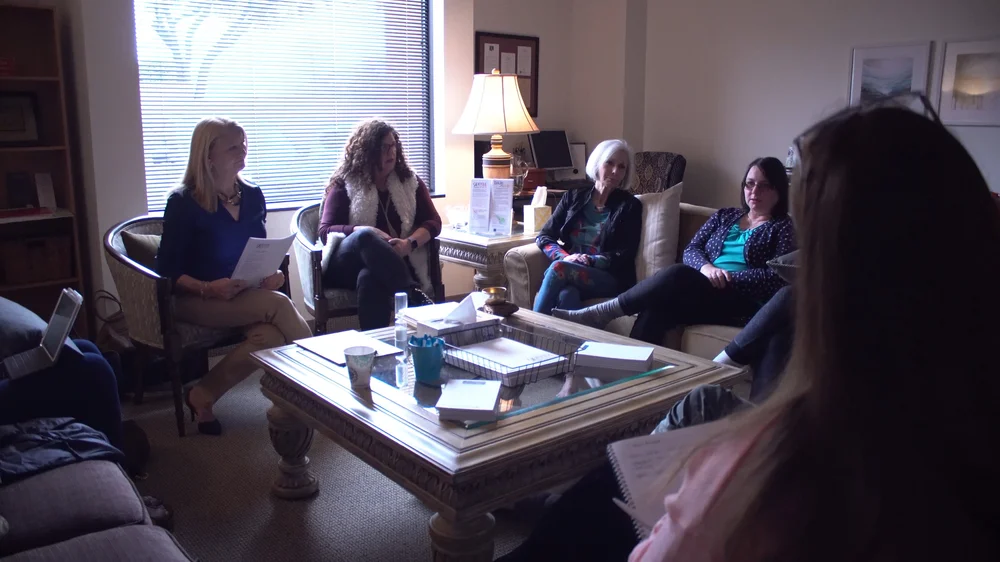
Coffee Days holds its first meeting, offering a free monthly peer support group for moms and female caretakers of young people with mental health needs.
2009
A 1,143-square-foot office gives the growing organization its first official home.
Jan. 27, 2010
The first Beacon of Hope Community Luncheon features speaker Terry Wise and creates a signature gathering centered on mental health and suicide prevention.
Sept. 22, 2010
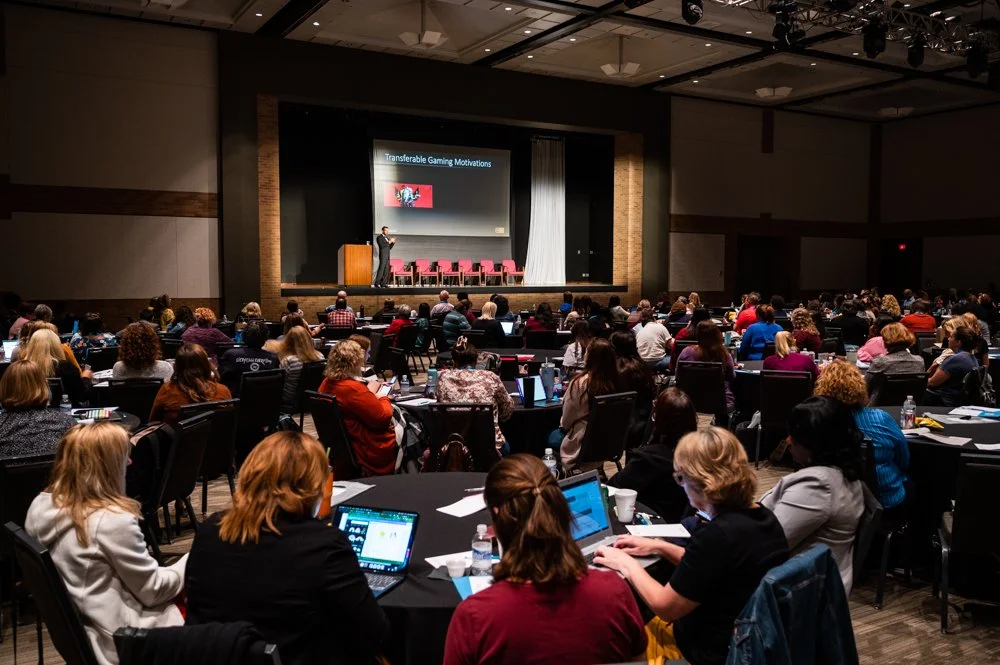
The first conference gives parents, educators, and mental health professionals practical insight for helping teens navigate life’s challenges.
Nov. 5, 2010
The first Steaks on the Lake is held at The Filter Building on White Rock Lake. The annual fundraiser later becomes The Hope Party.
New audiences, programs, and partnerships broaden the Foundation’s ability to serve young people and the adults who support them.
October 2012
Dad2Dad begins supporting men who have a personal stake in the mental health of a young person.
Feb. 18, 2014
The first Windows to Hope conference helps faith communities recognize mental health concerns and respond with informed support.
Aug. 16, 2014
The first Beyond Bullying conference brings educators and community members together to examine trends and strengthen bullying prevention.
January 2015
The Foundation acquires TeenCONTACT programs, expanding its mental health education offerings and adding two new staff members.
July 2016
HereForYouth.com becomes HereForTexas.com, reflecting a broader mission to serve all Texans with mental health and addiction resources.
The Foundation develops more direct pathways to care, deepens its work in schools, and adapts its programs during a period of rapid change.
Jan. 22, 2019
The Here For Texas Mental Health Navigation Line launches, assisting callers in finding mental health providers and resources in Texas.
June 2019
Thrive begins as a comprehensive approach to mental, social, and emotional health in schools.
2019
Hope Squad is introduced as part of Thrive offerings, giving schools another way to strengthen student connection and suicide prevention. The program later evolves into Peer Helpers PLUS in 2025.
Nov. 19, 2019
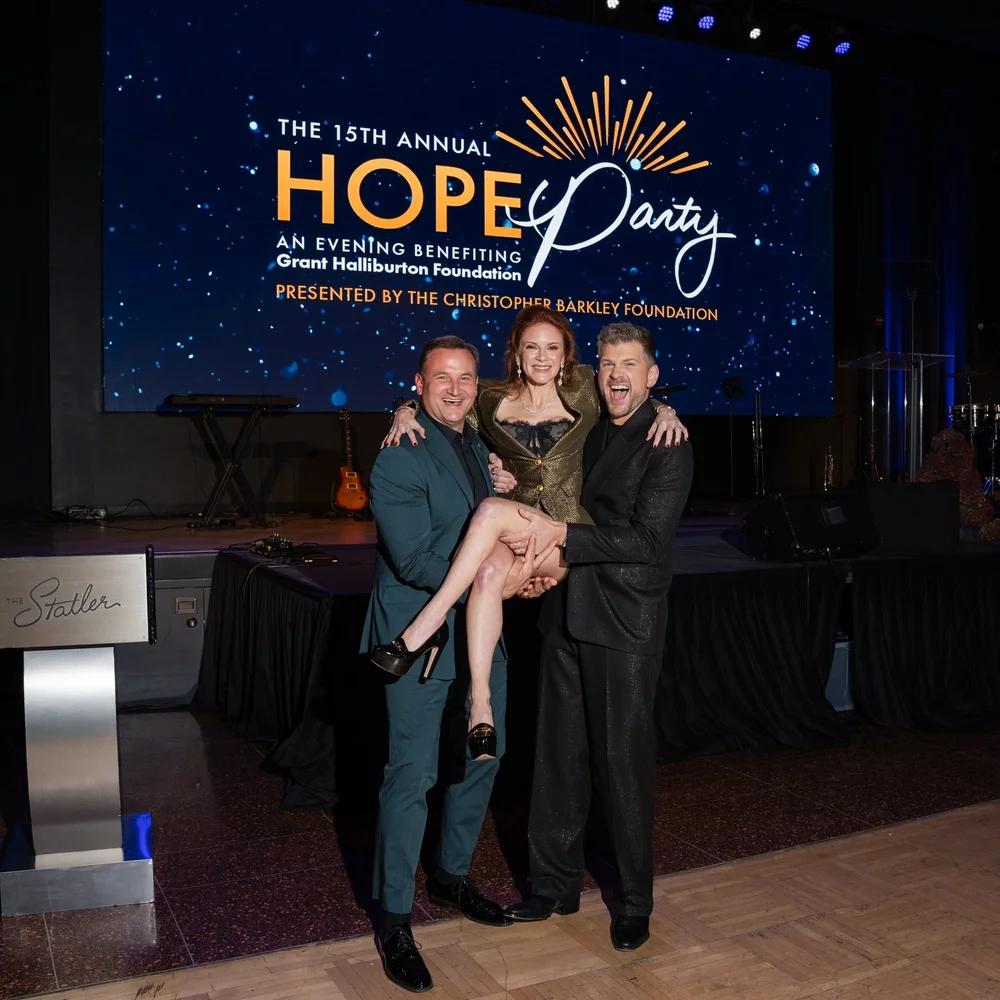
The annual fundraiser continues its tradition of bringing supporters together for youth mental health and suicide prevention under its new name.
The Hope Party continues a tradition that began in 2010.
April 2020
All Foundation programming and fundraising events transition to virtual formats during COVID-19.
June 2021
Eric Nadel’s ninth annual Birthday Benefit supports the Foundation for the first time.
September 2021
The redesigned website strengthens access to trusted mental health and addiction resources for people across Texas.
A new home, expanded peer programming, culturally responsive resources, and wider community partnerships prepare the Foundation for its next chapter.
February 2022
The Foundation relocates to Pegasus Park, a 23-acre campus featuring an 18-story office tower at Stemmons Freeway and Commonwealth Drive.
June 2022
GHF YP creates a community for Dallas–Fort Worth young professionals in their 20s and 30s to champion mental health and suicide prevention.
October 2022
The Foundation hosts its first Texas-Sized Youth Peer-to-Peer Conference with The Jordan Elizabeth Harris Foundation and The Grace Loncar Foundation.
May 2023
A Hispanic outreach initiative launches with culturally responsive resources, including a Spanish-language HereForTexas.com website.
August 2023
The new program offers youth and adult presentations on mental illness and suicide prevention, stress and adversity, thinking patterns, resilience, coping skills, and healthy boundaries.
April 2025
The comprehensive suicide prevention and peer support program equips students and adults to build healthier, more connected school communities.
June 2025
The Foundation partners with YMCA of Metropolitan Dallas, Metrocare, Momentous Institute, and Center for BrainHealth to develop the “YES YOU CAN!” pilot program.
2026
The Foundation marks 20 years of helping North Texas understand mental health, recognize when someone may be struggling, and know where to turn for help.
The next 20 years
The next chapter will be built through continued mental health education, easier access to trusted resources, stronger peer support, and partnerships that help more North Texas communities respond with knowledge and care.